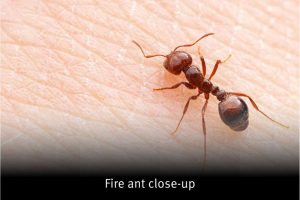
Fire ants detected on Sunshine Coast at Forest Glen
 A FIRE ant nest has been detected at Forest Glen after odour detection dogs picked it up during compliance tracing work linked to a nearby construction site.
The nest was found on August 6 and has since been destroyed, with eradication treatment and surveillance now underway to make sure no further fire ants remain in the area.
Senior Director of Operations with the National Fire Ant Eradication Program, Robert Wilson, said local residents and businesses had an important role to play in stopping the spread.
“Communities play an important role in our national efforts to eradicate this invasive pest,” Mr Wilson said.
“It is vital that residents and business owners on the Sunshine Coast check their properties and local areas and report any findings to our program.”
Why do fire ants need to be eradicated?
Fire ants were first detected in Queensland in 2001 and are native to South America, and with few natural predators in Australia, populations can spread rapidly and cause serious problems for native wildlife, agriculture and communities.
The ants prey on insects, reptiles, birds and mammals, eat seeds and can take over food sources and nesting areas. They can also threaten ground-nesting birds by attacking eggs and hatchlings.
For farmers, fire ants can damage crops, disrupt irrigation and attack pollinators such as honeybees. They can also sting livestock, causing injuries, stress, reduced production and, in severe cases, death.
The ants are also a threat to urban areas, with nests capable of affecting roads, construction sites, telecommunications equipment and airport infrastructure.
For people and pets, the immediate concern is their painful, venomous sting. It can cause a burning sensation, redness and swelling and, in some people, trigger a serious allergic reaction.
Mr Wilson said the threat went well beyond individual properties.
“Fire ants can have devastating impacts on our health, environment, economy, and outdoor way of life, which is why we need everyone to play a role in protecting their community,” Mr Wilson said.
Suspected fire ants can be reported online at fireants.org.au or by calling 132 ANT (13 22 68).